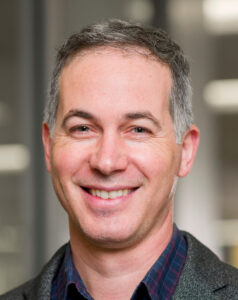
Interview with Dr. Sahib Khalsa
Dr. Khalsa is currently the Director of Clinical Operations at the Laureate Institute for Brain Research.
Dr. Khalsa is currently the Director of Clinical Operations at the Laureate Institute for Brain Research.
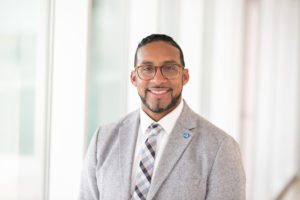
“Whether you call it liberation, theology, transformative justice, mindfulness- we cannot separate those components of practice, all of those things are integrated. Integration brings peace, and peace within is key to embracing the other.”
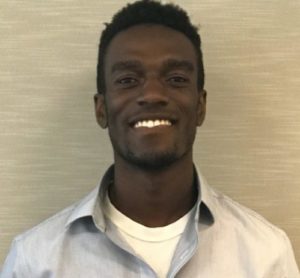
Grant Jones (he/him) is an artist, contemplative, researcher, and activist. Currently, he is a 3rd Year Clinical Psychology PhD candidate at Harvard University and Co-Founder of The Black Lotus Collective.
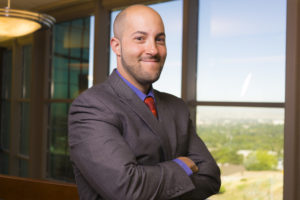
Dr. Eric Garland, PhD, LCSW is Presidential Scholar, Associate Dean for Research, and Professor in the University of Utah College of Social Work, Director of the Center on Mindfulness and Integrative Health Intervention Development (C-MIIND), and Associate Director of Integrative Medicine in Supportive Oncology and Survivorship at the Huntsman Cancer Institute.
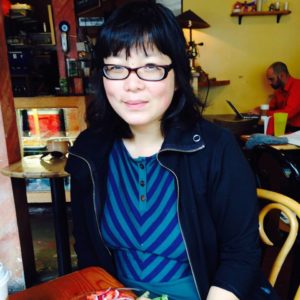
Dr. Helen Weng is a clinical psychologist and neuroscientist who originally joined the Osher Center for Integrative Medicine in 2014 as a postdoctoral scholar in the Training in Research in Integrative Medicine (TRIM) fellowship. She is developing new ways to quantify meditation skills using functional magnetic resonance imaging (fMRI) and machine learning to identify mental states of body awareness during meditation.
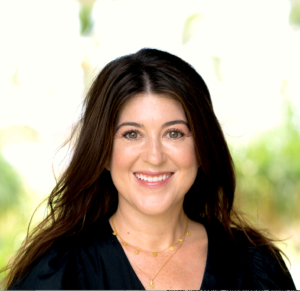
My work, over the past fifteen years has had a core theme of social support running through it, and I’d like to create an online mindfulness meditation intervention that includes a group component, such that people who have experienced cancer can meet and practice mindfulness meditation together.
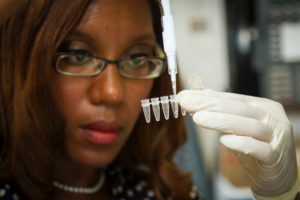
A research team from Valencia, Spain recently investigated the effects of a brief mindfulness-based intervention on both mood and biological markers on a sample of health professional students.
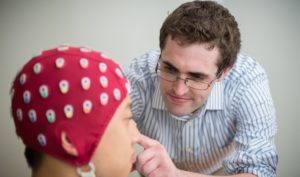
Despite growing knowledge that mindfulness meditation can enhance emotional wellbeing, very little is known about how it all works. How exactly does the act of meditation help us deal with the emotional rollercoaster of everyday life? Is mindfulness training actually “transferrable” to real world situations? What’s going on in the brain? Can we even measure it?

“Even if they felt excluded,
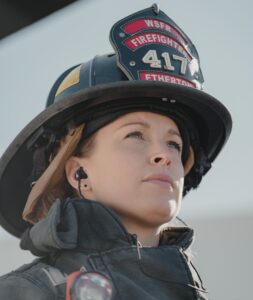
Also known as MBRT, this intervention helps first responders navigate their work more mindfully

Mindfulness-based cognitive therapy, also known as MBCT, is a group-based treatment program … developed to prevent relapse in clinical populations with recurrent major depressive disorder (MDD).
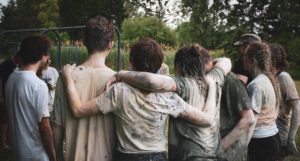
The MBSR-T program (also known as the Stressed Teens program) was created in 2004 by Gina M. Biegel, MA, LMFT
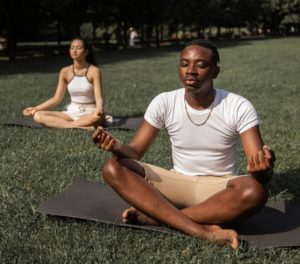
Mindfulness-based stress reduction, also known as MBSR, is an 8-week evidence-based group program that teaches participants how to cope with their pain and stress using mindfulness meditation and Hatha yoga techniques.

Also known as MSC, this intervention teaches people to care for themselves as much as they care for others.

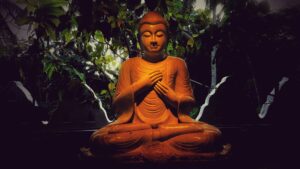
“Unfortunately, today’s Western mindfulness practice often gets translated into an individualistic technique that is highly outcome-oriented.”

The growing recognition of transdisciplinarity’s powerful nature offers researchers valuable opportunities for collaboration

Does the scientific content that we read always mean what it claims?

The growing recognition of transdisciplinarity’s powerful nature offers researchers valuable opportunities for collaboration

Mindfulness practices like critical analysis can reveal the mental formations behind these tools.

After nearly three decades, a ban prohibiting public schools to offer yoga as an elective for grades K-12 has been overturned in Alabama.